
Cincinnati Public Schools’ nonprofit is helping unhoused families to achieve educational success
Published:
Edited:
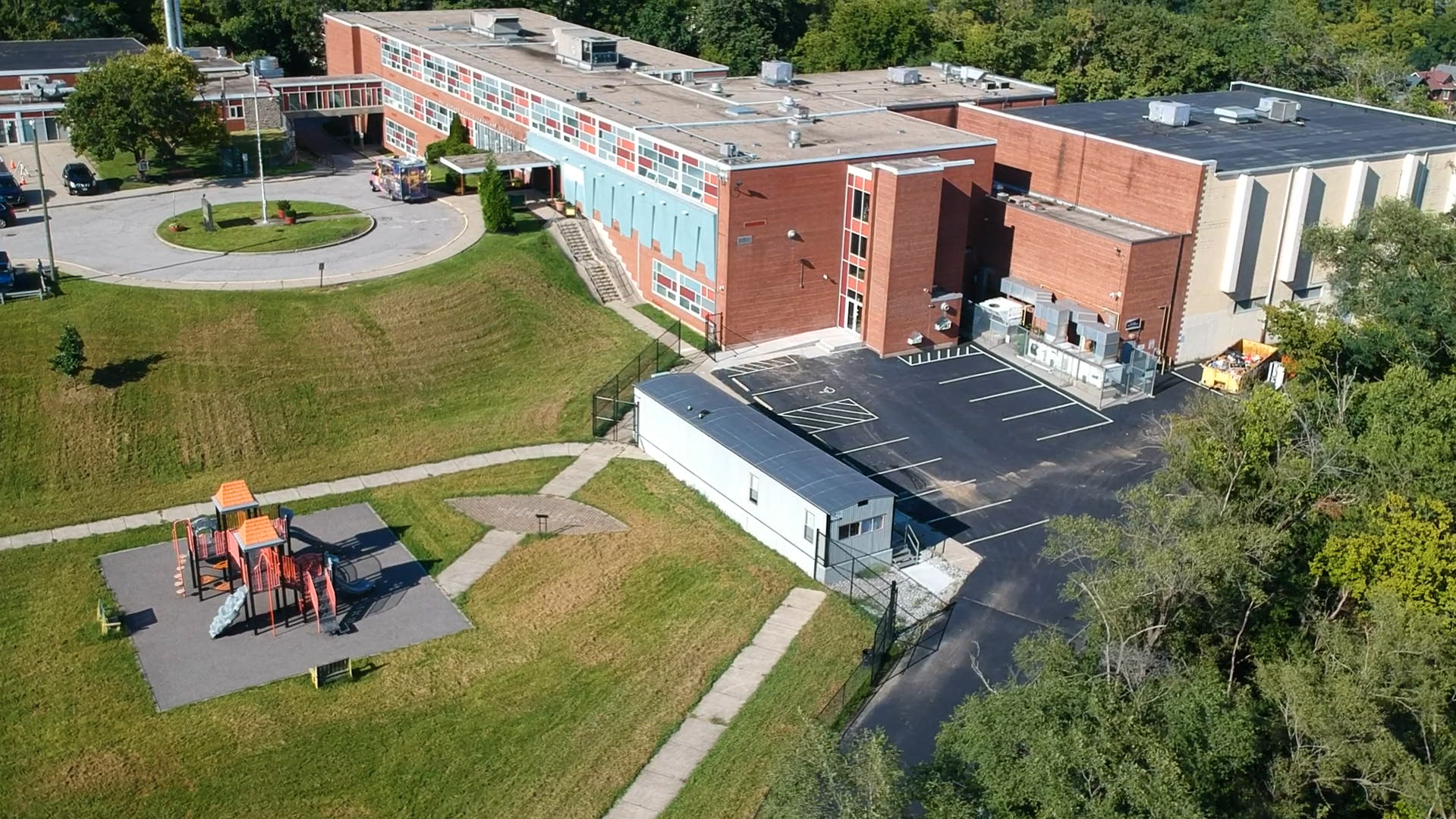
Cincinnati resident, Aja Cole, faced unsanitary living conditions at her apartment complex. She told Brick by Brick that as a single mother of three, she was fearful that her children weren’t safe. “We faced having to live with mice. Having to deal with that for months at a time is stressful. Their feces could be deadly. I have a younger son who likes to play on the floor. [What if he] touches it and touches his face….I’d have a whole other issue I’d have to deal with.”
Cole said she reached out to her landlord for nearly half a year and the issue wasn’t addressed. She felt that her rent wasn’t respected and chose to withhold her monthly payments until the issue was resolved. Unfortunately, it made the situation worse.
“I received an eviction notice. My initial thought was, ‘I can’t believe I’m about to go through this.’” Cole was told she had to pay a certain amount in order to stay in her apartment, but she refused to pay until the mice infestation was resolved.
From Means of Travel to Means of Shelter
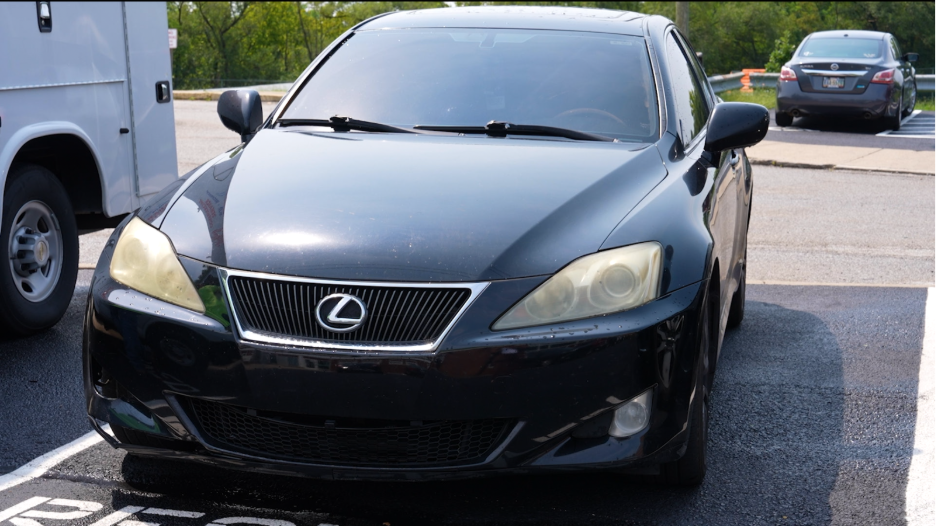
After her eviction court hearing, Cole and her children found themselves without a home, living in her compact Lexus. “It’s doable for right now. We can manage.” said Cole.
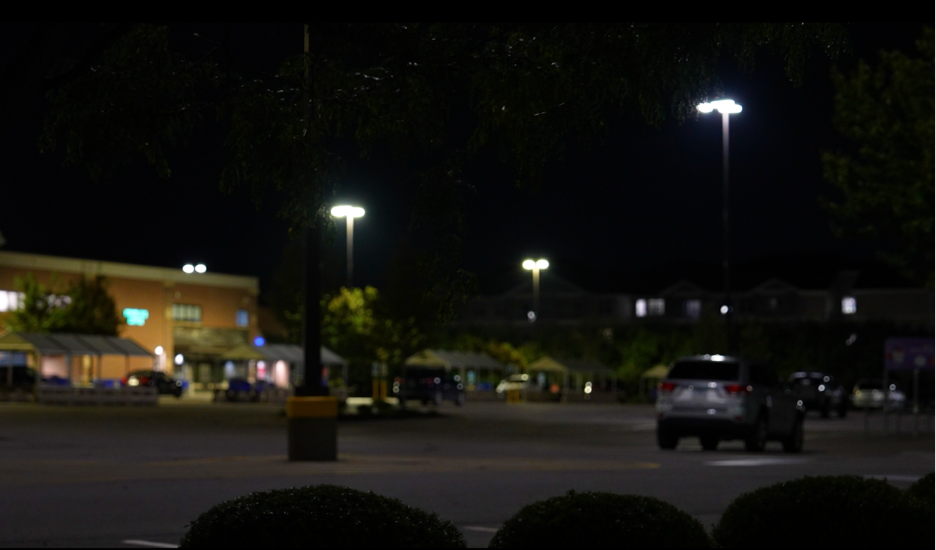
Finding a safe and secure area to sleep was a challenge for Cole. “I just parked my car in a parking lot of a grocery store. My kids ended up falling asleep. I just pulled over and went to sleep as well. You don’t know who is going to see you so you have to sleep with one eye open.”
Studies show that these living conditions could affect the way a child learns. According to the National Institute of Health, poor living conditions could affect a child’s ability to learn, complete schoolwork, and focus.
To read more about housing and how it affects children and their education, check out this report from Brick by Brick’s Ann Thompson.
Safe Sleep Lot Program
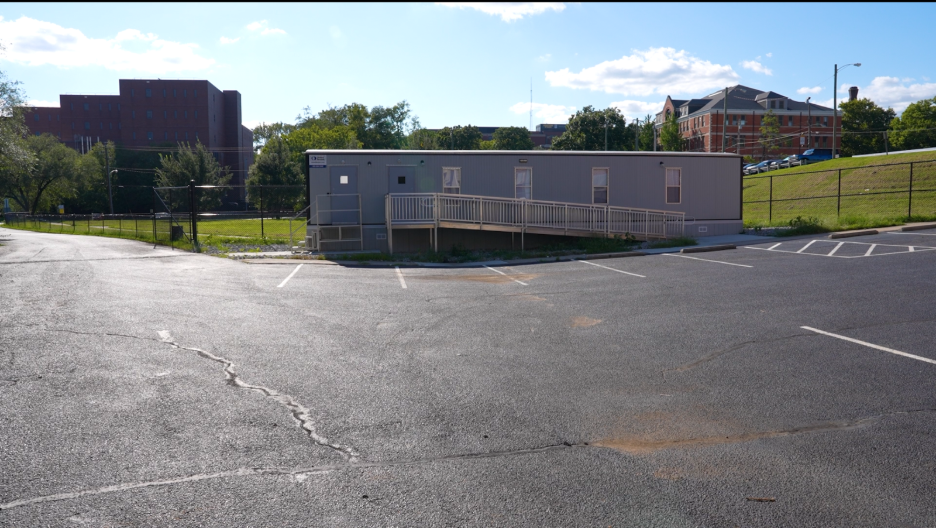
Situations like Cole’s are the reason why the nonprofit organization, Project Connect, started the Safe Sleep Lot Program. This Cincinnati Public School organization created the program, which allows unhoused families who are living in their car to park in a safe place to sleep. This is the first program of its kind, in the United States, that’s fully operated by a school district, according to Rebeka Beach, program manager for Project Connect. Beach says she was surprised by the number of people that utilized this program. “We opened April 30th [2026] we were concerned that the lot wouldn’t be utilized. We hope we didn’t come up with this idea for nothing. But it’s been nonstop.”
According to Project Connect, they served 5,045 CPS and charter school students facing homelessness during the 2025/2026 school year. And since they’ve opened in the spring of 2026 through the summer, the Safe Sleep Lot Program has helped 478 students residing in vehicles with their families.
Beach believes that with the growing need for affordable housing unmet, these numbers may continue to grow. “This is a national crisis, not just a Cincinnati crisis. We speak with other districts that are seeing the same thing. Nationally, there’s just a housing shortage.”
The Safe Sleep Lot adds to Project Connect’s wraparound services by providing:
- Bathrooms with showers
- Hygiene products
- Kitchenette with meals and snacks
- A laundry service
- And more
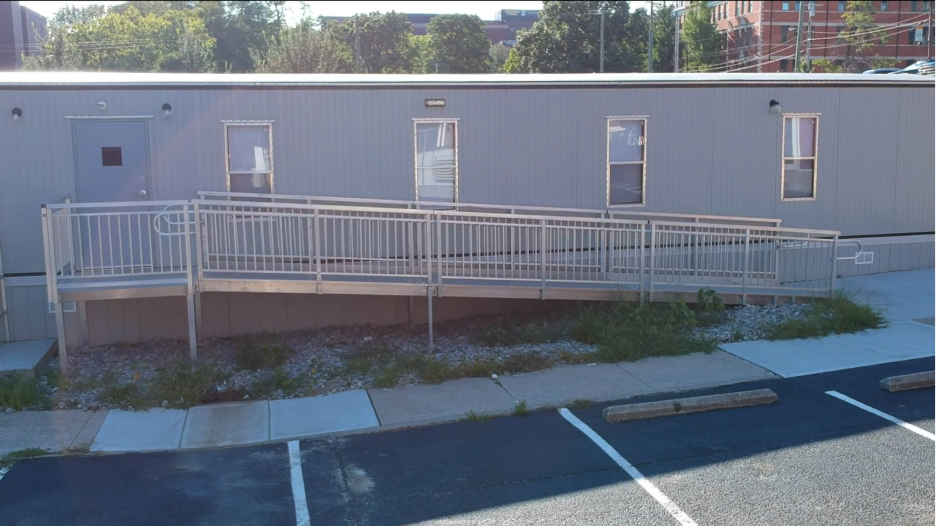
There are about twelve spots at the Safe Sleep Lot. When families initially enter the lot, which is secured by a security guard and gates, they are added to a list to get a space in a shelter home. After their first night stay, they are given a one week stay at a local hotel. If a spot in a shelter isn’t available, they will return to the lot until it becomes available, or until they find permanent housing.
Partner organizations
The Safe Sleep Lot is slated to open from March to November. During the cold months, Project Connect has partnerships with organizations such as Christ Church Cathedral in downtown Cincinnati to host unhoused families. They are looking for additional partners to help take in families when the lot is unavailable to use.
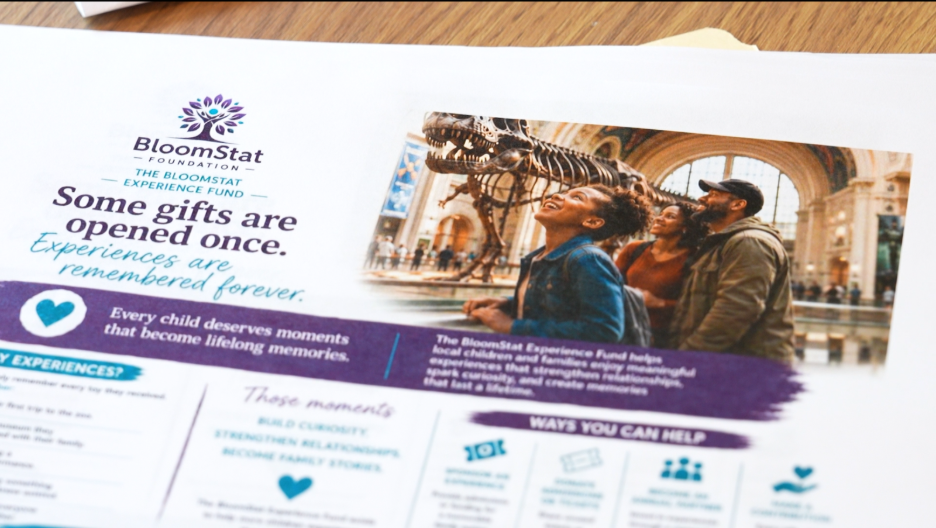
Another partner organization that works with families is the Bloomstat Foundation. They work with families at the Safe Sleep Lot to offer them fun outings/activities while they are unhoused. They give each family an experience fund which they can use based on their interests.
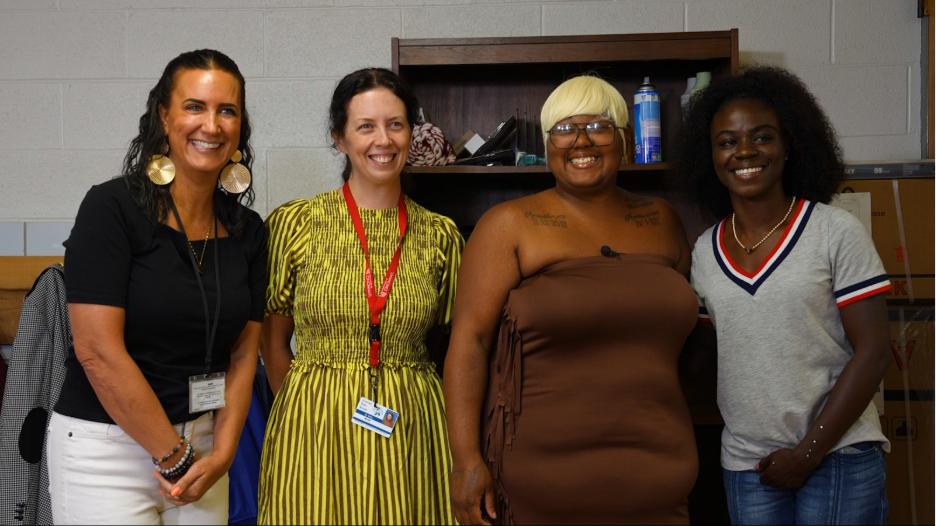
Coya Hill is the CEO of the nonprofit and says having these moments allows a family to experience joy during an unjoyful time. “Eventually they get through their struggles. But as they go through their struggle, they have at least one memory from one sad day they can hold on to help them with it.”
A study from the Journal of Children and Poverty states that there is value in maintaining celebrations amidst trying times. According to the research, maintaining family routines like birthday celebrations or family activities helps mitigate the stressors and disruptions of homelessness on families.
As a single mother who once faced homelessness herself, Hill wishes that she received the services she is providing for these families. “Being a single mom, that’s the reason why I started [this] experience. If you’re if you have no sense of joy, no sense of belonging, it makes it hard to keep going.”
The foundation gets a referral list from Project Connect to understand family interests. After that they gather resources to fund an outing/activity for a family as well as supply them with a gas card to get to and from the destination. They also give families funds to get ice cream to commemorate their outings even more.
The organization is able to fund a few families per month. Their goal for the 2026/2027 school year is to fund experiences for 10 families per month.
Bloomstat Foundation heard about Cole’s story and granted an experience fund for her family as well.
Next phase for Project Connect
Project Connect completed phase one of their program by adding an onsite facility and security. Phase two involves adding a pergola to the facility for students to do their homework, as well as having tutoring services at the lot. Leaders also envision opening up the lot earlier in the day. Currently the lot is open and secured starting at 9:30pm.
“I hope that with children having access to the shower facilities and laundry facilities and our resource center, that they will have the items and confidence that they need to go to school. The goal is to increase attendance, improve graduation rates, and ultimately educational success.” said Beach.
Although they don’t have any immediate plans to expand the lot, they are open to talking with other school districts and organizations about opening a lot of their own.

Hernz Laguerre Jr. – Multi-Media Journalist
Hernz is a Haitian American who was born and raised in Spring Valley, NY. He attended school at S.I. Newhouse School of Public Communications at Syracuse University, where he learned to hone his skills as a storyteller. After graduating with his Bachelors in Broadcast and Digital Journalism and his Masters in Television Radio and Film, he went on to a career in media as a producer, reporter and freelance videographer for companies like ESPN and Court TV. He eventually moved to Detroit, where he worked as a Multimedia Journalist for The Detroit News and then the NPR affiliate, WDET, before starting his work with the Brick by Brick team at CET and ThinkTV. Hernz aims to produce stories that tell the bigger picture while doing his due diligence to educate and inform the public about the solutions-focused work being done in the Cincinnati and Dayton areas.

